Would you buy a Warhammer codex if you did not need its rules?
There is a curious test for any army book: imagine its rules vanished from the pages. Would you still want to open it? Would you still feel like reading about its characters, lingering over the art, or hunting inspiration for that unit that has been waiting months for paint?
The new Orks and Space Marines codexes have brought us back to that question. Between restored bestiaries, special editions, and digital extras, we think it is worth pausing on something that often gets lost in the launch hype: how much the book helps you enjoy the hobby once you close it.
Codexes are finding their voice again
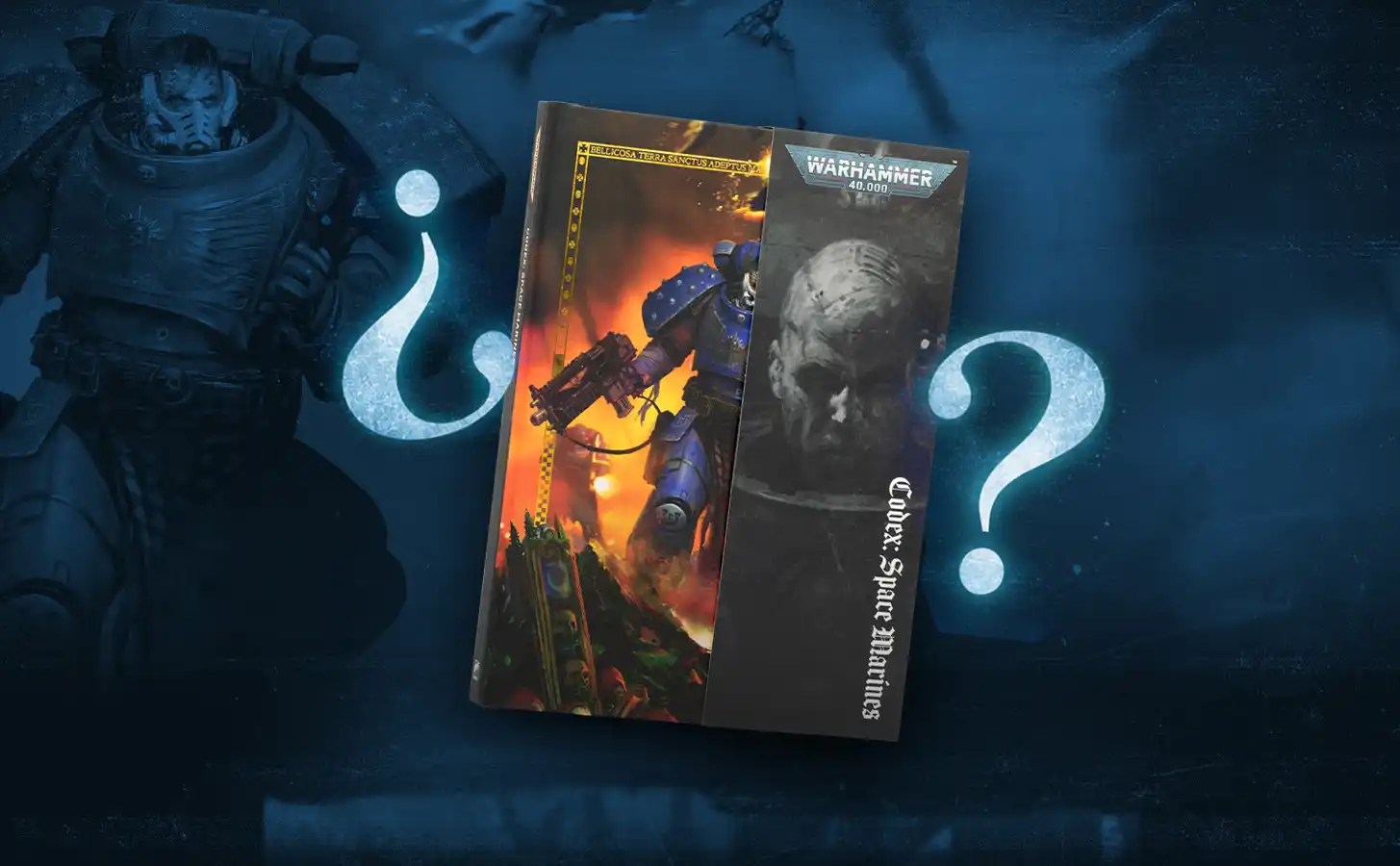
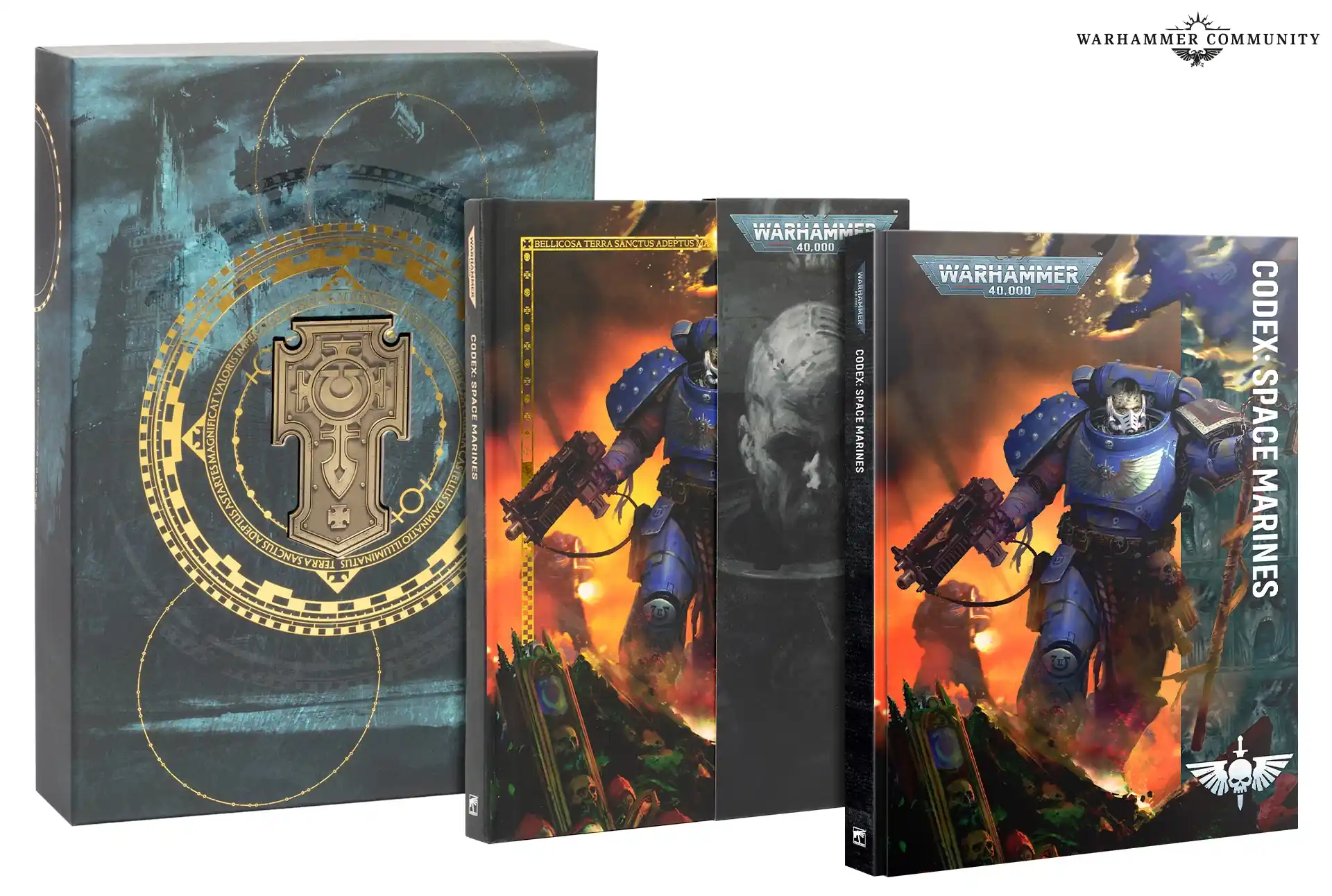
Games Workshop has unveiled the upcoming Codex: Space Marines in three editions, from the usual softcover to a limited run with interchangeable emblems. All share the same interior: 232 pages of background, illustrations, collecting guides, and rules. The finish is up to the collector.
That is where a brake appears that has nothing to do with price or art, but with language. Collector’s editions can look spectacular in materials, details, and presentation, yet they are published in English only. If you are not comfortable reading a hobby book in English, that gap hits hard: when you buy a codex mainly to read lore, enjoy the illustrations properly, or keep a shelf in the language you actually use, paying more for a deluxe volume you will not read the same way as your local standard edition stings. The object may deserve a display case; the reading experience does not always follow.
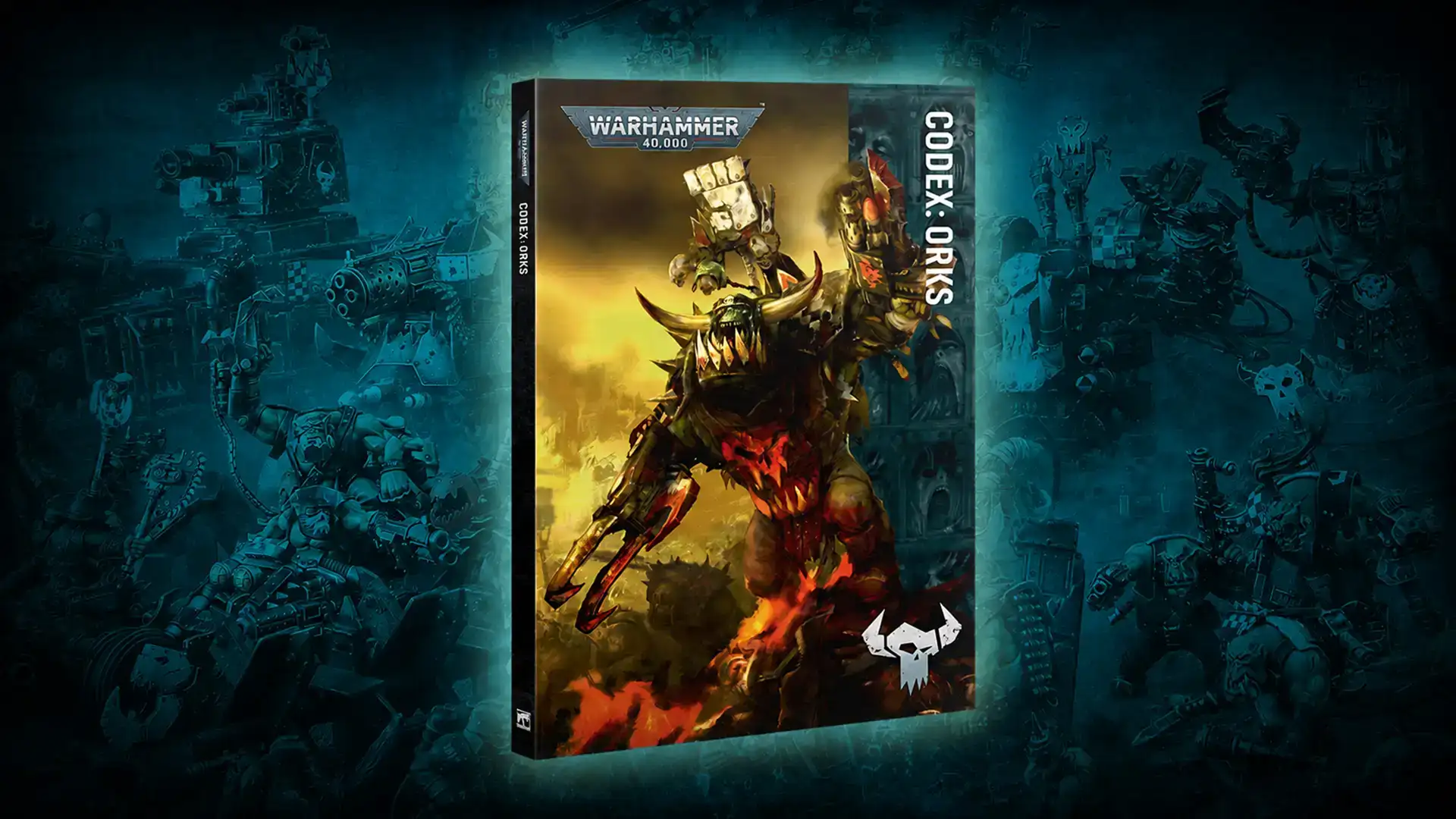
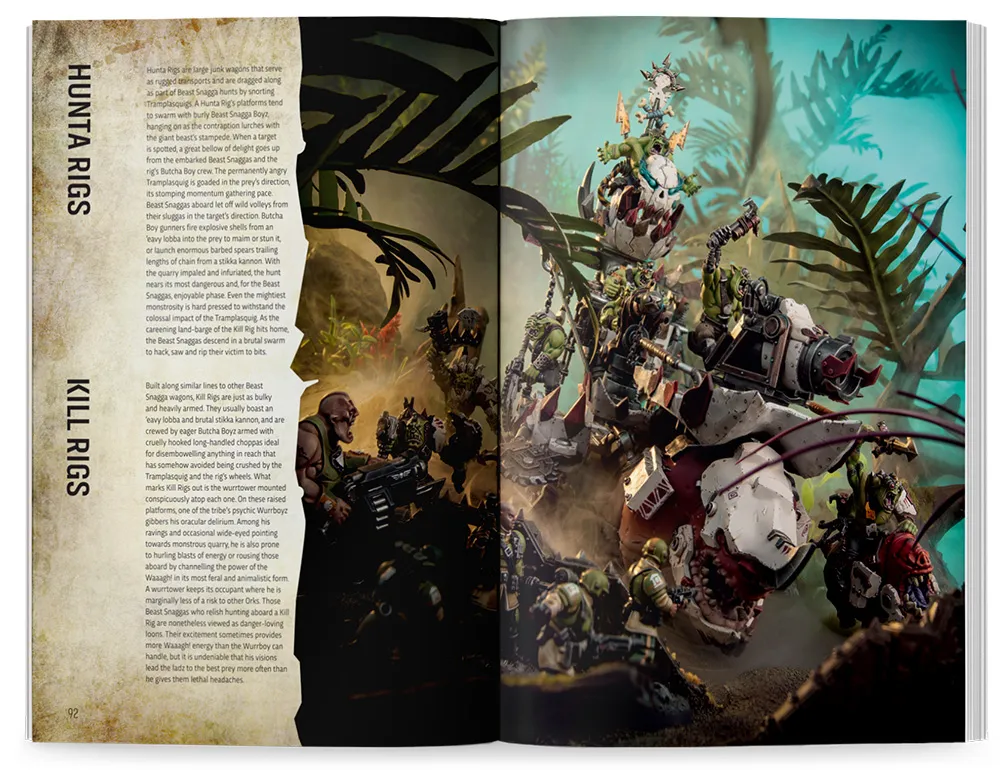
The shift we care about most was already visible in the new Orks codex we covered on InHobby. Games Workshop says its background section grows from around 40 pages in 2024 to nearly 100 in 2026, with the unit bestiary back in force. For newcomers, that space helps explain what they are collecting; for veterans, it is a reason to look at an army with fresh curiosity. The breakdown of the 11th Edition format confirms that turn toward printed lore.
It feels like a good start. Next comes checking what those pages actually say, and what they make you want to do with them.
More background should also mean more stories of your own
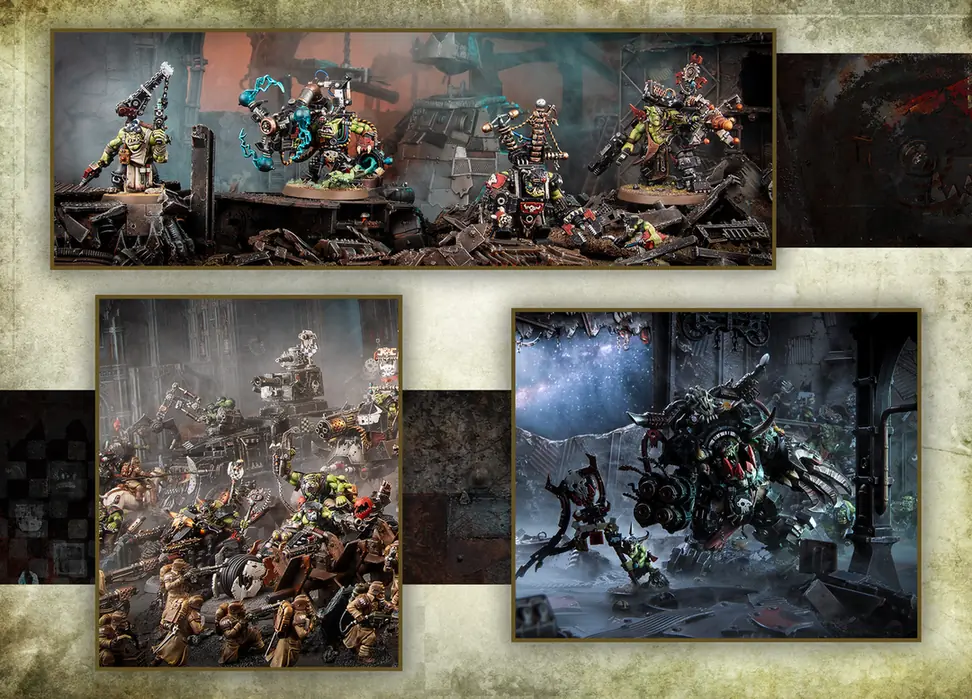
In an Orks codex review from 22 August, Matt Crowther of Sprues & Brews especially praised the bestiary, clan information, and painting guides. He highlights details such as glyphs, tattoos, and weathering effects, though he would have liked more pages devoted to the latter.
That same review also regrets the missing Crusade section tied to growing armies through campaigns. That point matters to us: a book can expand a faction’s official story while leaving out tools that helped build yours. Page count only tells part of the tale.
We would like both in the same package: learning a warboss’s greatest deeds and getting ideas so your own boss has a few worth telling.
The book and the app can share the load
The Codex: Orks includes a code to unlock its rules in the Warhammer 40,000 app. Games Workshop also promises access to extra content across the edition’s life, including lore snippets and new play options. It is a promising mix, as long as it stays clear what the book includes on day one and what arrives later.
The idea of heavier printed lore while the app handles updates has been circulating in specialist press since June as a possible, still speculative, evolution of the format.
We find that interesting if it widens reader choice. Being able to pick how you check rules, and to buy a book for its stories, art, or painting projects, would make it easier to enjoy. We would also like digital content that is easy to access and keep, with a clear explanation of what happens when an edition ends.
The test is what you do after you read
If you have a codex nearby, try finding a page that suggests a small project. A symbol can become a unit’s badge; a landscape can shape your bases; a rivalry between characters can fuel your next game. You do not need to start a new army. Sometimes it is enough to give the models you already own a story.
That is when a book starts to belong to your collection in a more personal way.
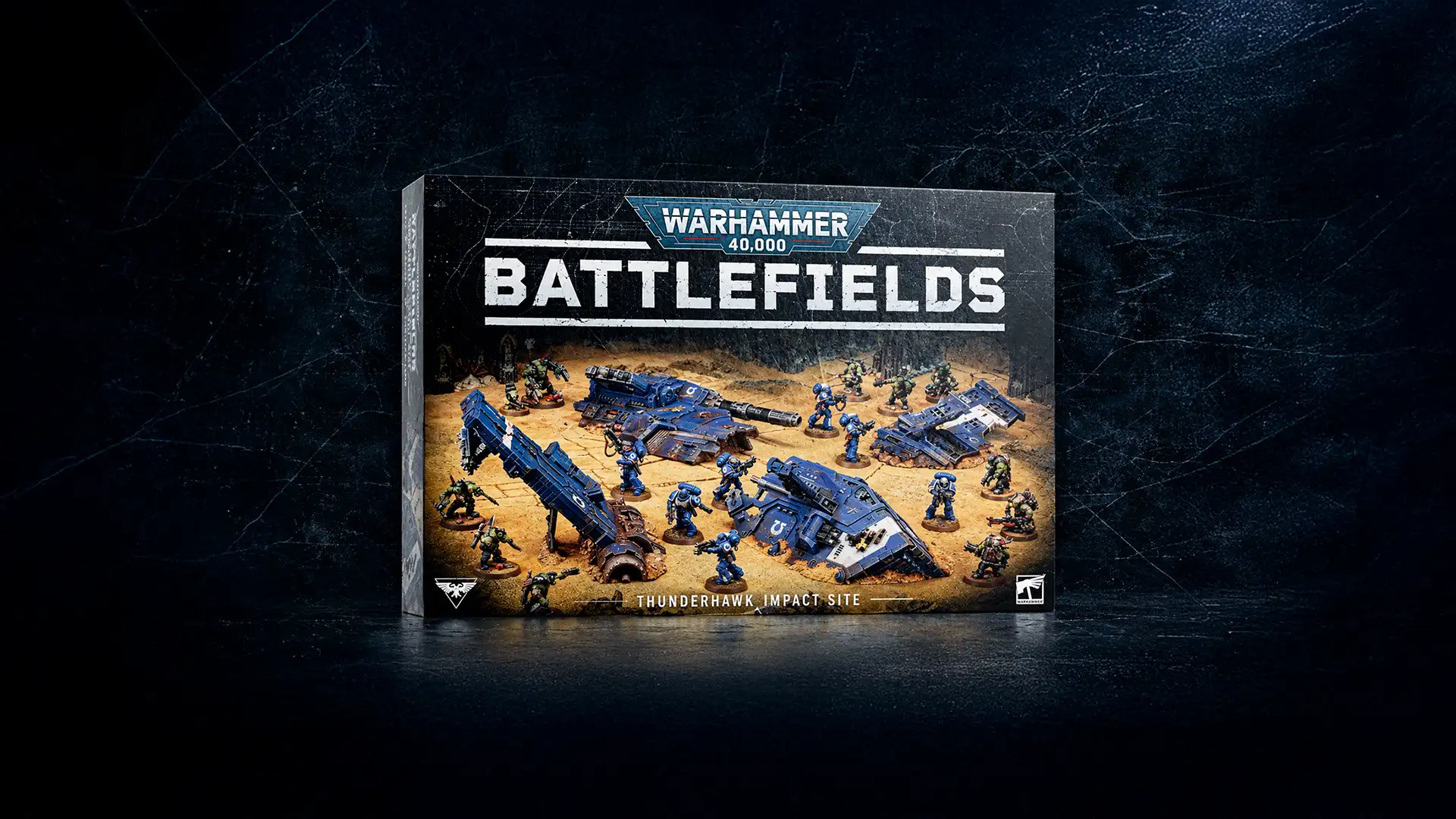
We were thinking along similar lines when we wrote about the crashed Thunderhawk and the stories it can bring to the table. Picture art of a downed gunship that pushes you to paint rescue markings on a squad and set up a game to recover their battle-brothers. We would like to see more codex content like that: concrete, open prompts you can adapt with what you own and carry on with friends.
Our take
We are glad the new codexes are making room again to explain their factions and support people who want to collect them. The bestiary and painting guides are a solid base. We would like that same care applied to small narrative tools: questions to shape characters, scenario ideas, and consequences that link one game to the next.
We also think each book is worth judging by how it fits the way you enjoy the hobby. A special cover can excite you, but only if the contents match how you will use it; for readers who are not native English speakers, an English-only collector’s edition often looks better on the shelf than it reads at the table.
So yes, we would buy a codex even if we did not need its rules, if flipping through it gave us reasons to paint, imagine, and share new stories. We would like that to be an easy question to answer before every purchase.