How to get started in Middle-Earth Strategy Battle Game in 2026
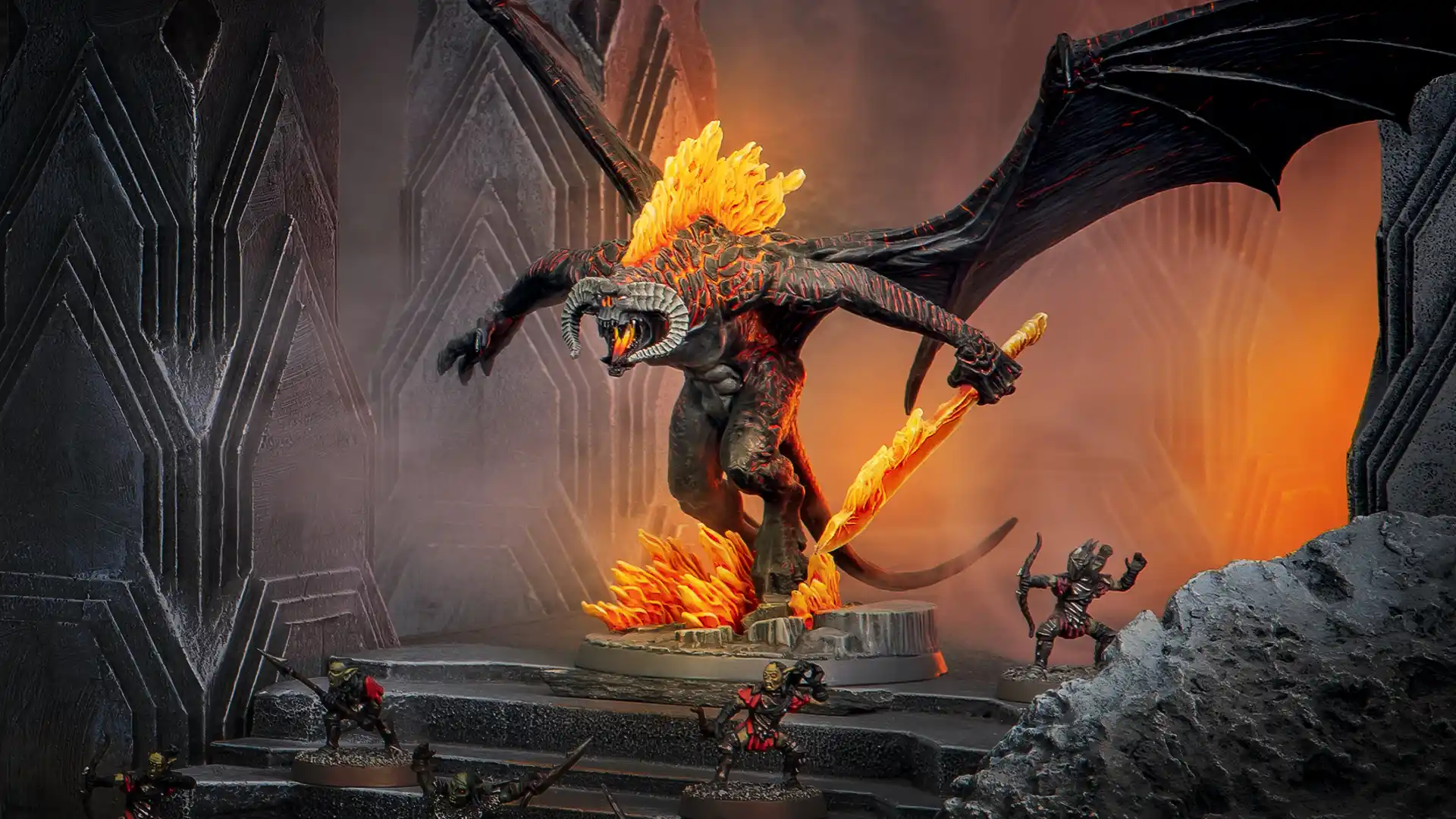
There is an unforgettable moment many of us share: the echo of Rohan’s horns, the warmth of the Shire, or the imposing shadow of the Balrog leaving us glued to the screen forever. Middle-earth left a deep mark on us, and the urge to keep living in that magic is what eventually pushes us to bring it to the table. However, when you make the leap to miniatures, it is very easy to feel overwhelmed by a sea of books, models, and rulebooks without knowing where to start.
Middle-earth Strategy Battle Game (MESBG) is one of the most evocative miniatures games out there. It is not a mass-battle game: here the matches are skirmishes where every miniature matters, heroes carry real narrative weight, and even a low-point game can feel epic. In 2026 it remains a very solid option, with recent releases and an active community. And yes, you can start without breaking the bank.
What exactly is MESBG?
MESBG is a skirmish game: you do not move regiments or units as in other wargames. Instead, each miniature acts in a fairly individual way. Your forces are organised into warbands: a hero at the front and a handful of warriors under their command. Important characters (Théoden, Legolas…) are not just powerful miniatures; they are the heart of your army.
What makes this game special is that scenarios matter as much as removing miniatures. You can win without wiping out your opponent if you protect the right objective, escort the required character, or hold where you need to. That gives it a lot of organic narrative.
And here is something fundamental: you do not need hundreds of miniatures to enjoy it. A game with just a few models already makes for a quality afternoon of gaming.
The first step: think about how you want to enjoy the game
Before rushing to find the most powerful faction or letting the first miniature that catches your eye in the shop decide for you, it is worth asking yourself an honest question: what do you want to get out of MESBG?
-
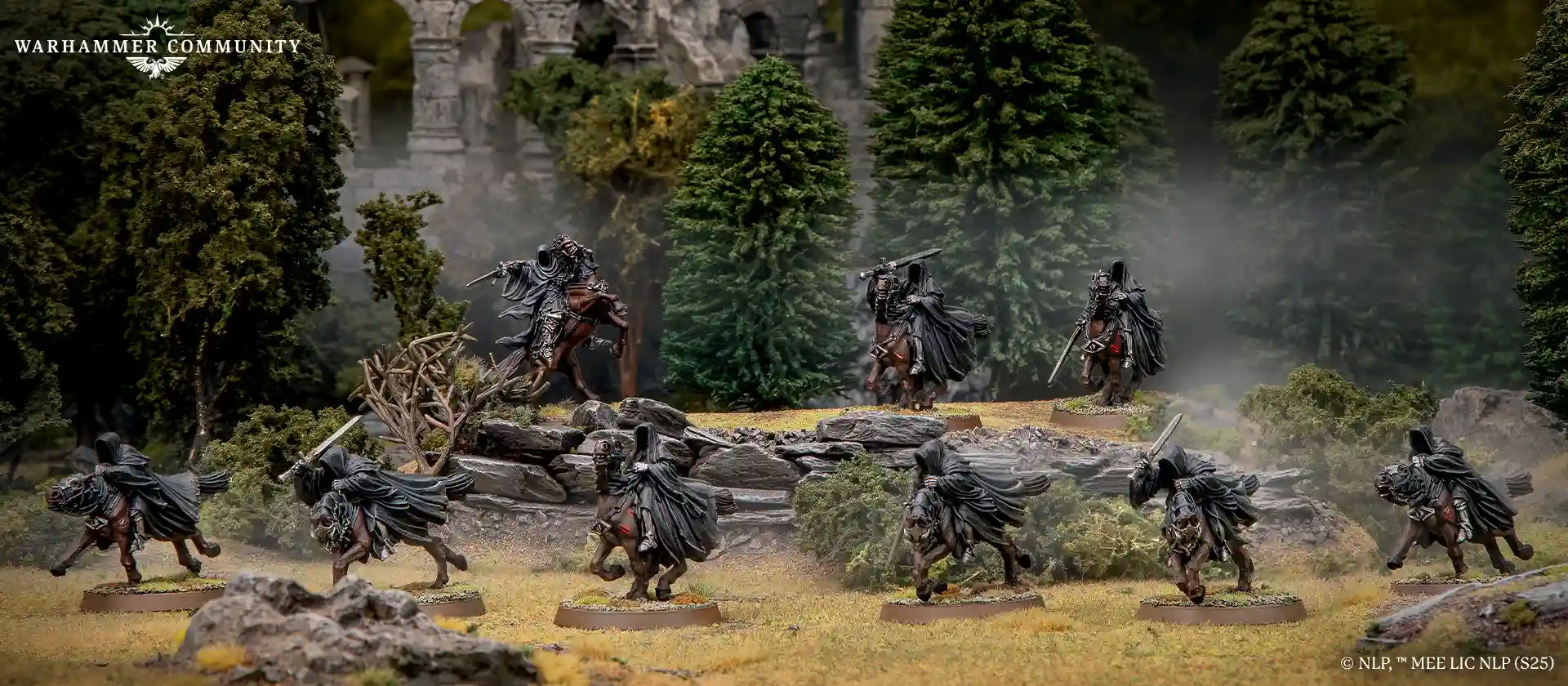
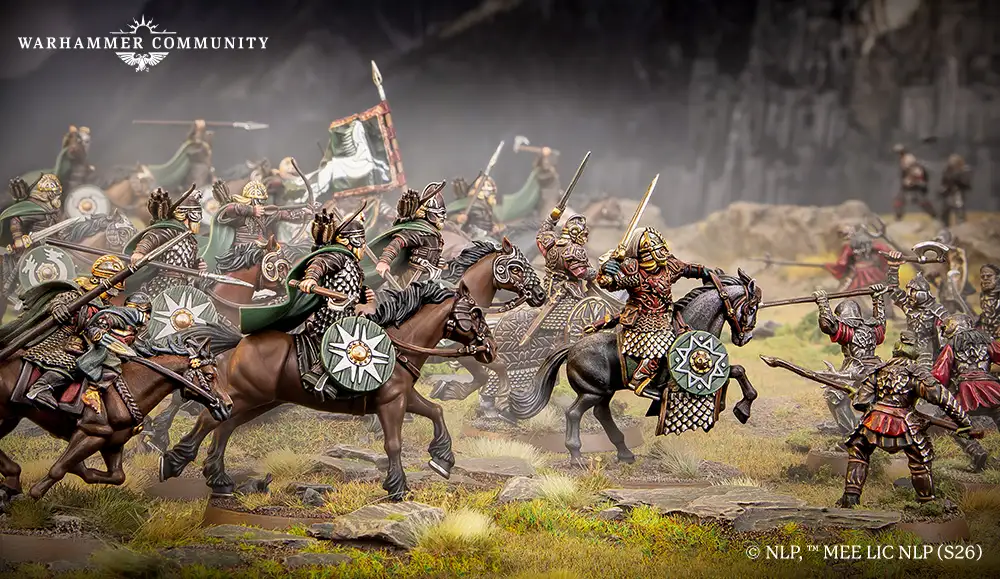
If collecting and painting is your thing, the choice is clear: look for a faction you fall in love with visually. You are going to spend many hours with those miniatures in your hands, so aesthetics should be the main factor. MESBG has very varied ranges: from Rohan’s golden cavalry to Rivendell’s ethereal Elves, through Mordor’s dark hordes or Gundabad’s savage warriors.
-
If you want to live out grand stories on the table, prioritise a faction whose background connects with you. Narrative supplements such as The Burning of Westfold are designed exactly for that. You will be able to recreate the charge of the Rohirrim on the Pelennor Fields, the defence of Osgiliath, or a skirmish in the depths of Moria.
-
If what matters most is how it plays, every army has a very distinct identity. If you enjoy manoeuvres and cavalry charges, Rohan will give you exactly that. If you prefer advancing in a block, Minas Tirith is a better fit. If you want constant pressure and aggression, Isengard or Dol Guldur are your place.
The starter box: The War of the Rohirrim
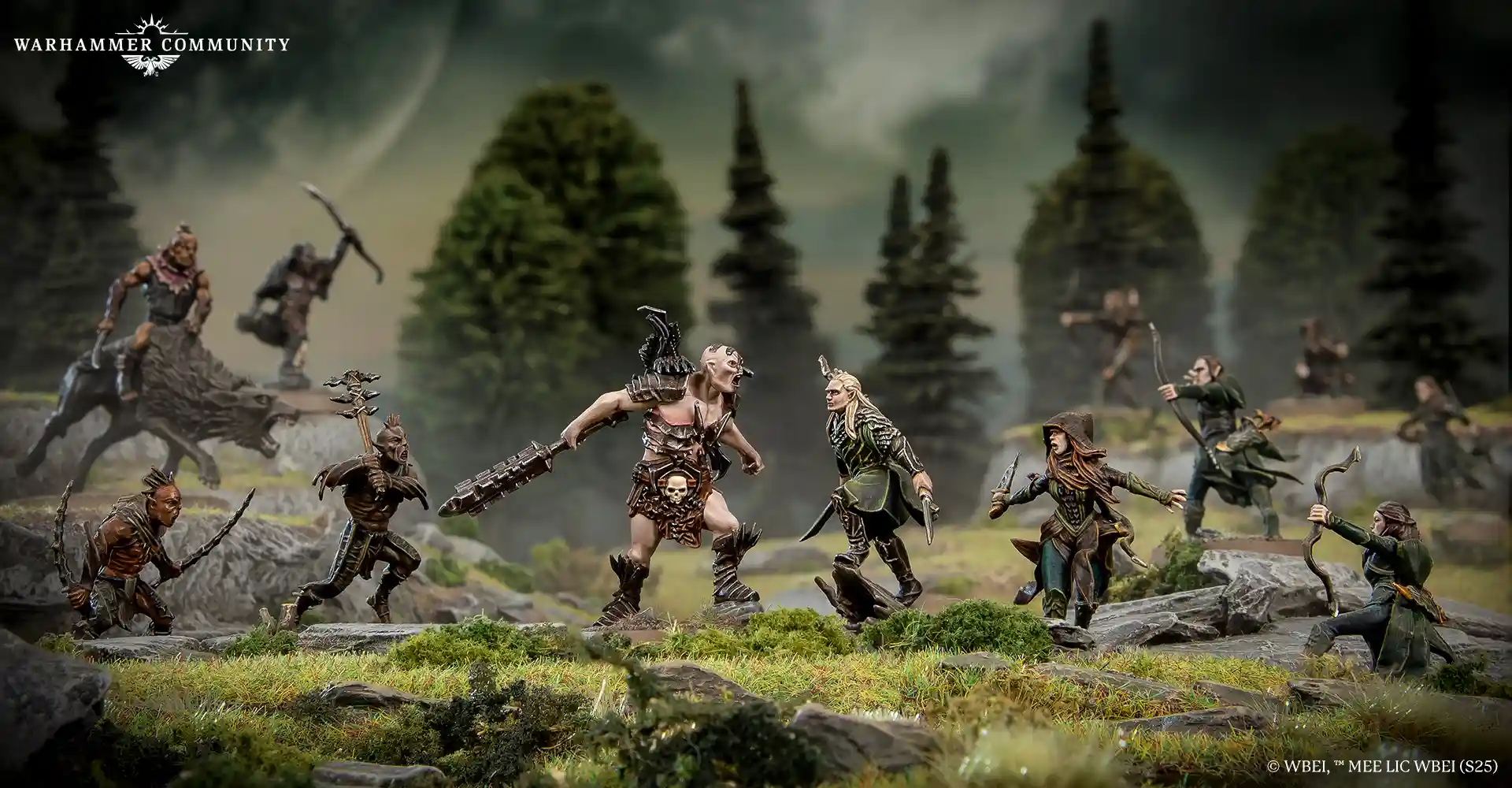
The The War of the Rohirrim box is probably the most complete option for anyone who wants to start without overthinking it. It is designed for two players and includes everything you need for your first games: miniatures from two opposing factions and the material to start playing from day one.
Inside you will find forces from Rohan and the Hill Tribes, two armies with very different identities on the table. Rohan bets on mobility and cavalry; the Tribes offer an aggressive, more chaotic horde, perfect for learning a completely different playstyle. That variety makes the box ideal for discovering which kind of army suits you best.
The books: what to buy and what to skip
This is probably the part that trips up beginners the most. There are several books, and not all of them are essential from day one.
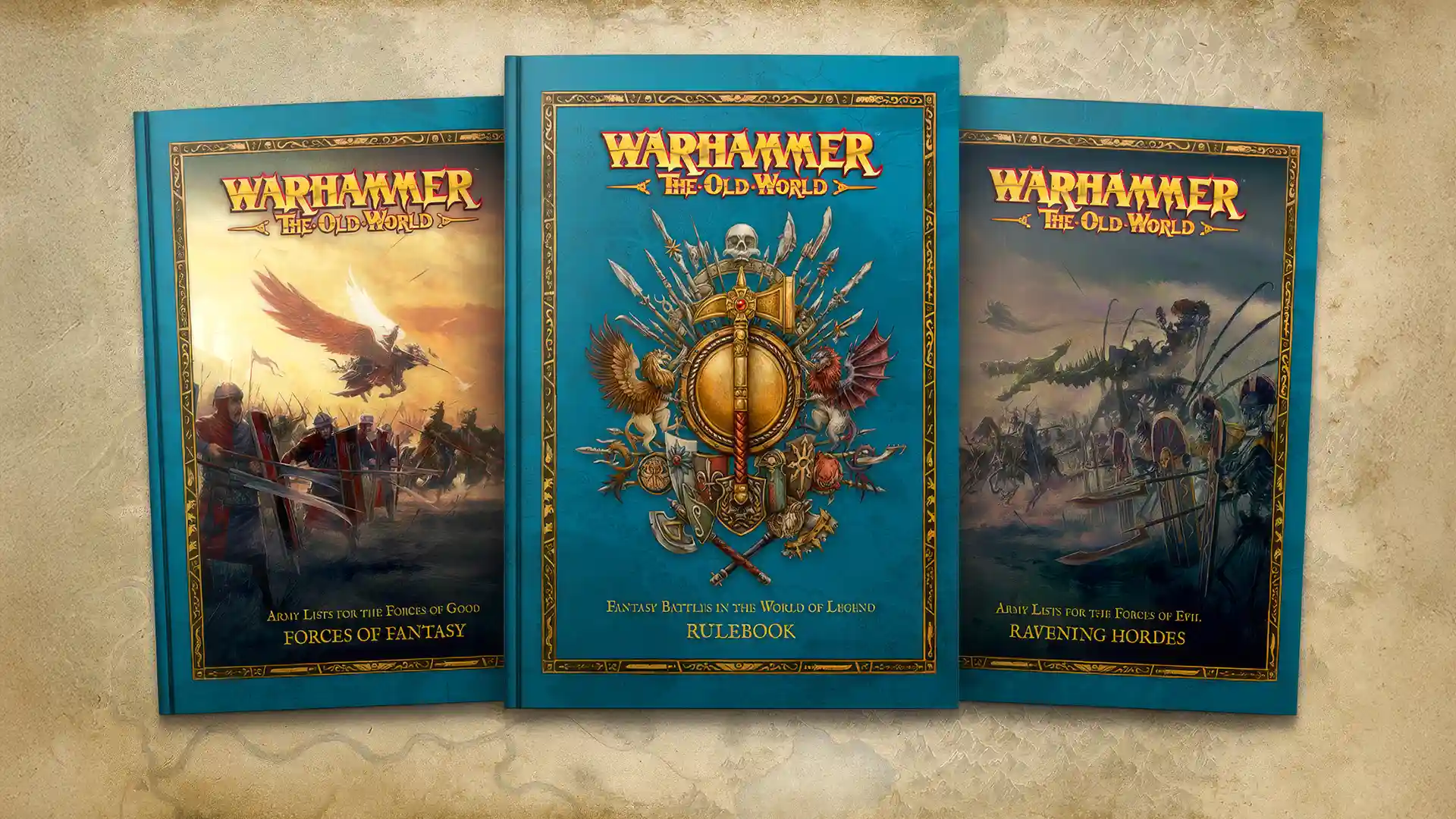
The Basic Rules are the only mandatory purchase if you do not have the starter box. Make sure you get the current edition; an old second-hand copy can confuse you more than it helps.
Then there are the army books, which contain the profiles for each unit and the army lists:
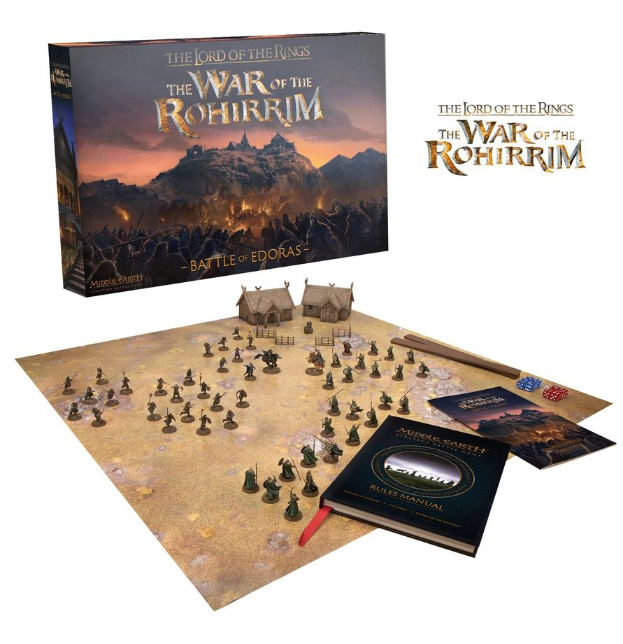
- Armies of The Lord of the Rings is the core volume if you want to play Rohan, Gondor, Mordor, Isengard, Rivendell, or the Shire.
- Armies of The Hobbit is what you need if you lean more towards the Woodland Realm Elves, Dol Guldur, Gundabad, or King Dain’s Dale.
- Armies of The Middle Earth expands some factions such as Moria, Angmar, or the Corsairs.
Our advice: start with just the rulebook and your faction’s book. The rest can wait.
Battlehosts: the easiest way to start in 2026
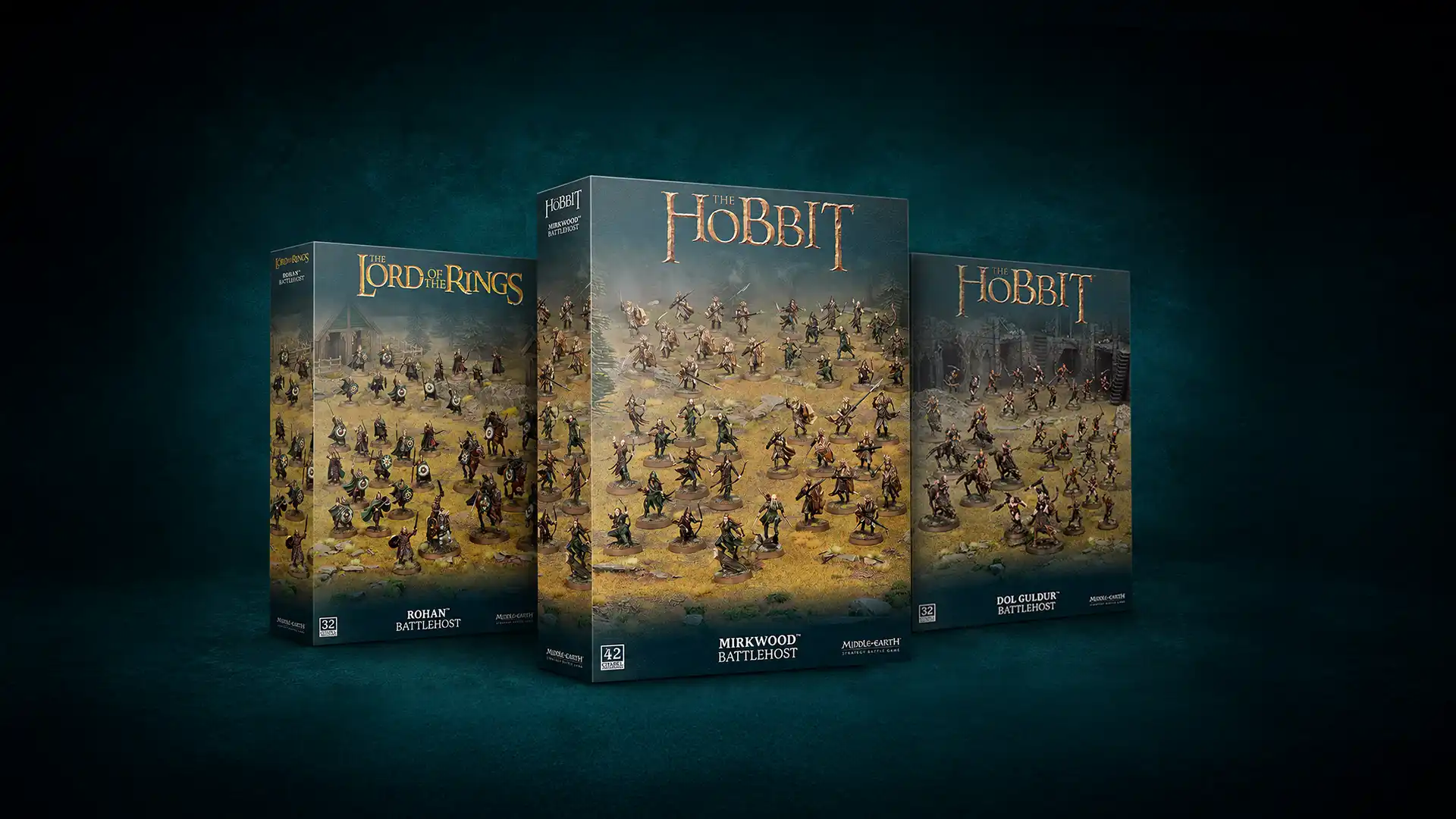
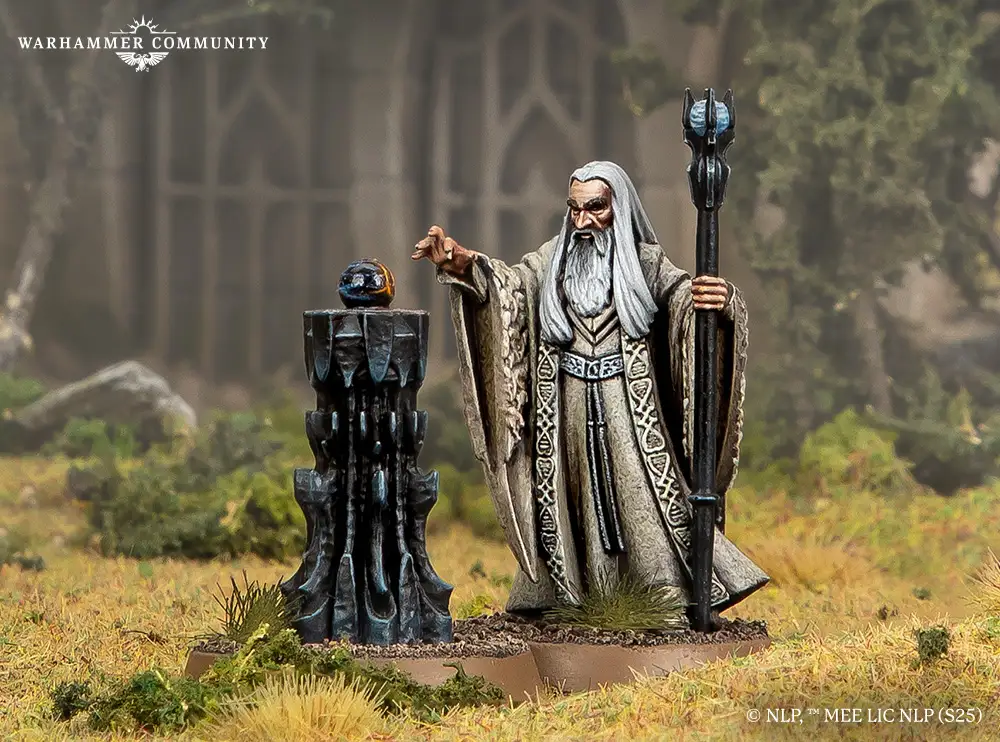
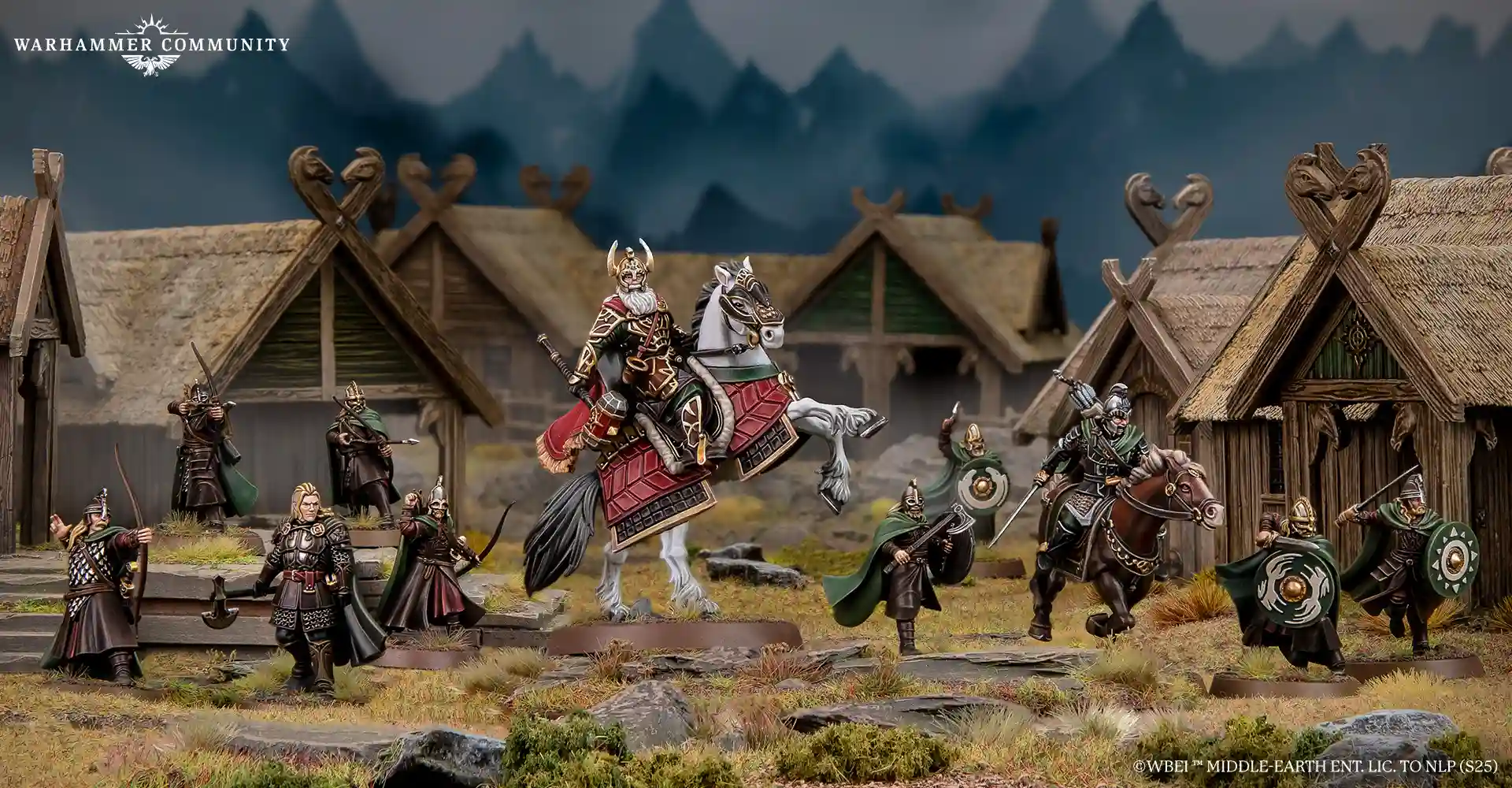
Games Workshop has announced three new Battlehost boxes for this year, and they are a very good entry point into the game. Each one includes a hero and a reasonable core of troops from the same force:
| Box | Highlight contents |
|---|---|
| Rohan Battlehost | Théoden, 6 Riders and 24 Warriors on foot |
| Mirkwood Battlehost | Legolas, Tauriel, 20 Palace Guards and 20 Rangers |
| Dol Guldur Battlehost | Bolg, Hunter Orcs on foot and mounted on Fell Wargs |
You will need to add things over time, but they give you enough to play your first games and understand how your faction works. Games Workshop will also publish free downloadable rules for each box, which lowers the initial cost even further.
Army lists: essential before you buy
Understanding how army lists work can save you a lot of money and more than a few headaches. An army list is not simply “the good guys” or “the bad guys”: it is a specific combination of heroes, warriors, and units that can play together under particular composition rules.
The fact that a miniature belongs to the same faction does not mean it can go in any list for that faction. A soldier of Gondor, for example, can be part of the Minas Tirith list, but also the Reclamation of Osgiliath or a specific alliance, and each one works differently. Buying without a list in mind is buying blind.
Painting without the pressure
You do not need to be an expert to enjoy this side of the hobby: what matters is finding an approach that motivates you and lets you make steady progress. In MESBG there is a huge advantage: the films are a very clear visual reference that makes any well-painted army instantly recognisable and evocative.
One very satisfying option is to research the colour schemes of your faction as they appear on screen. Each people has a very worked-out visual identity: Rohan’s warm, earthy tones, Minas Tirith’s cold silver, the sickly green of Mordor Orcs. Respecting that palette makes your miniatures connect directly with the background and look on the table as if they were lifted from a scene in Middle-earth. It is worth spending some time looking for references before opening the first pot of paint.
But you can also go your own way. In the end, the goal is not the “correct” army, but one you are excited to take out of the cabinet and put on the table.
Finding a community: the most important part
A miniatures game is not the same when you play alone. Look for local shops, clubs, or groups where MESBG players gather: the community is more active than it seems, and in general it has a reputation for being welcoming to newcomers. Many veteran players are happy to run an introductory game or simply teach the rules with borrowed miniatures.
If you do not have a club or gaming group nearby, online communities are a good starting point. There are Facebook groups, Discord servers, and content channels where you can ask questions, share paint jobs, or find someone to meet up with.
A first game with someone who knows how to teach can be worth more than reading a hundred pages of rules.
Our take
There is something in Middle-earth Strategy Battle Game that I do not find easily in other games: the feeling that every match can tell a story. You do not need to win or build the perfect list to enjoy it; you need to care about your miniatures and want to put them on the table.
The 2026 releases, especially the Battlehosts and Rohan’s narrative supplement, suggest that Games Workshop understands that much of this game’s charm lies in the narrative and evocative side, not just the competitive one.
If you are wondering whether to start, the answer is clear: pick the faction you fall in love with visually, buy just enough to get going, and find someone to play a small game with. The rest will follow.