How to start The Old World in 2026: a guide for new players
Some games return out of nostalgia. Others return because they still had something left to say. Warhammer: The Old World clearly belongs to the second group.
For years, many players assumed that large fantasy battles with ranked regiments, cavalry charges, and sprawling armies were a thing of the past. Interest in this setting never really went away, though: veterans who kept their miniatures, new players arriving from video games like Total War, and a community that kept the spirit alive by playing older editions all prepared the ground for its return.
In 2026, getting into The Old World is easier than ever, but it can also feel overwhelming. There are many factions, new boxed sets, and different ways to play. The good news is that you do not need a 2,000-point army on day one. You only need to know where to start.
The Old World: a return with its own identity
Warhammer: The Old World brings back the essence of classic fantasy battles: blocks of troops, tactical manoeuvres, decisive charges, and armies where every move matters.
Unlike many modern systems built around individual units and synergies, here the position of the whole army carries enormous weight. One bad decision can leave a unit exposed, weaken the battle line, and trigger a devastating chain reaction.
That is why many players discover that The Old World rewards patience, strategy, and planning more than snap reactions.
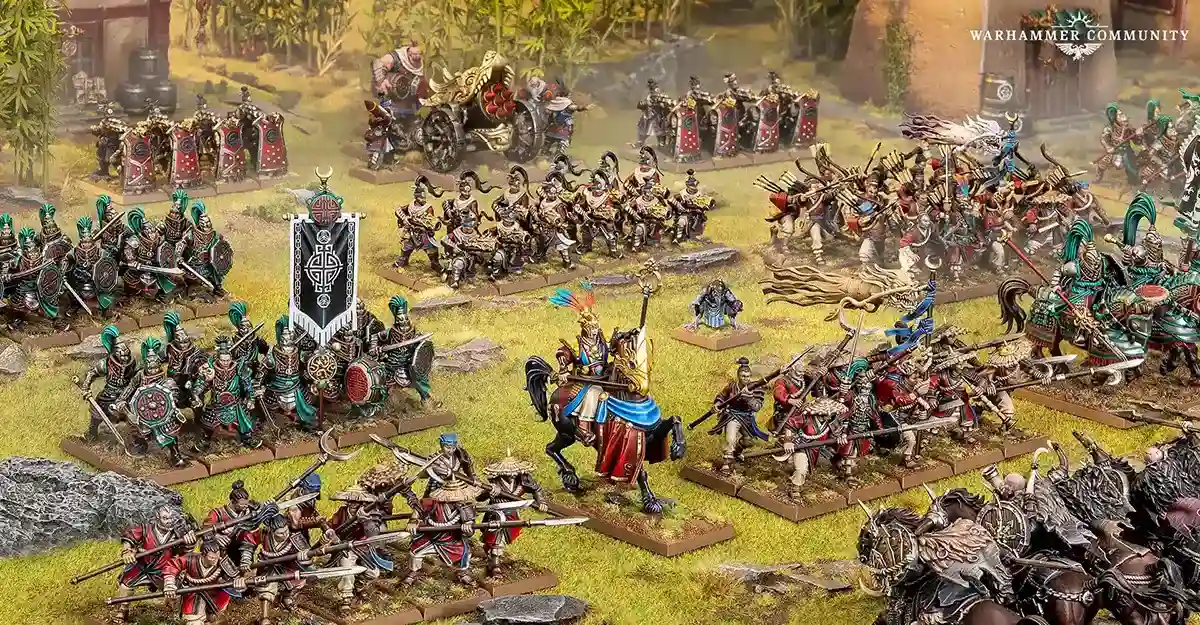
The first step: think about how you want to enjoy the game
Before diving into the most broken army or hunting for the winning faction, it is worth taking a step back and asking yourself: what kind of experience do you want from The Old World?
Not every player arrives looking for the same thing. Some mainly enjoy collecting and painting, others want to create grand stories on the table, and others find satisfaction in building lists that run like a well-oiled machine.
Knowing what kind of player you are makes choosing an army much simpler.
1. If collecting and painting is your thing
If what draws you most is having a spectacular army on the shelf, assembling miniatures, and enjoying the creative process, the choice is clear: pick a faction you fall in love with visually.
You are going to spend many hours with those miniatures in your hands, so aesthetics should come first. It does not matter how powerful or popular an army is if its models leave you cold.
An army you love looking at will be far easier to finish than one chosen only because it shows up in the most competitive lists of the moment.
2. If you want grand stories on the table
The Old World has a huge narrative side. Battles between human kingdoms, greenskin hordes, or ancient armies sit on decades of lore.
If you enjoy building campaigns, inventing characters, and telling stories after every game, prioritise a faction whose background connects with you.
It may not be the most efficient army on the rules side, but it will be the one where every victory means more and every defeat still leaves a story behind.
3. If what matters most is how it plays
This is where it helps to think a little more before you buy.
Every army has a tabletop identity, and it needs to match the experience you are looking for.
If you love close combat, you probably do not want to spend months building a shooting and range-control force. If you prefer thinking through every move, controlling the battlefield, and grinding your opponent down, a more defensive army may suit you better.
Below is a quick guide to help you understand how each faction plays:
The new Core Set: the best all-in-one option
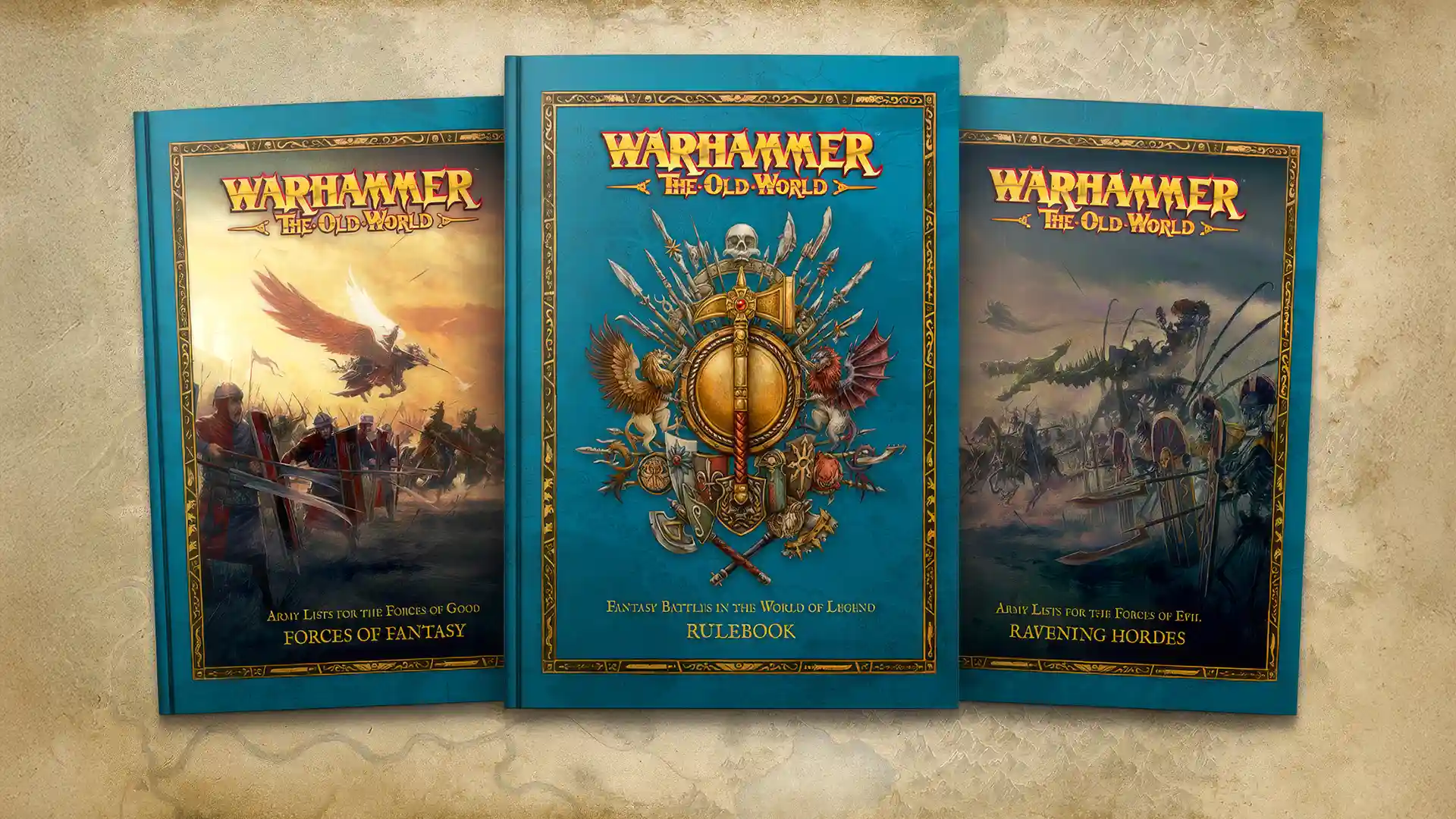
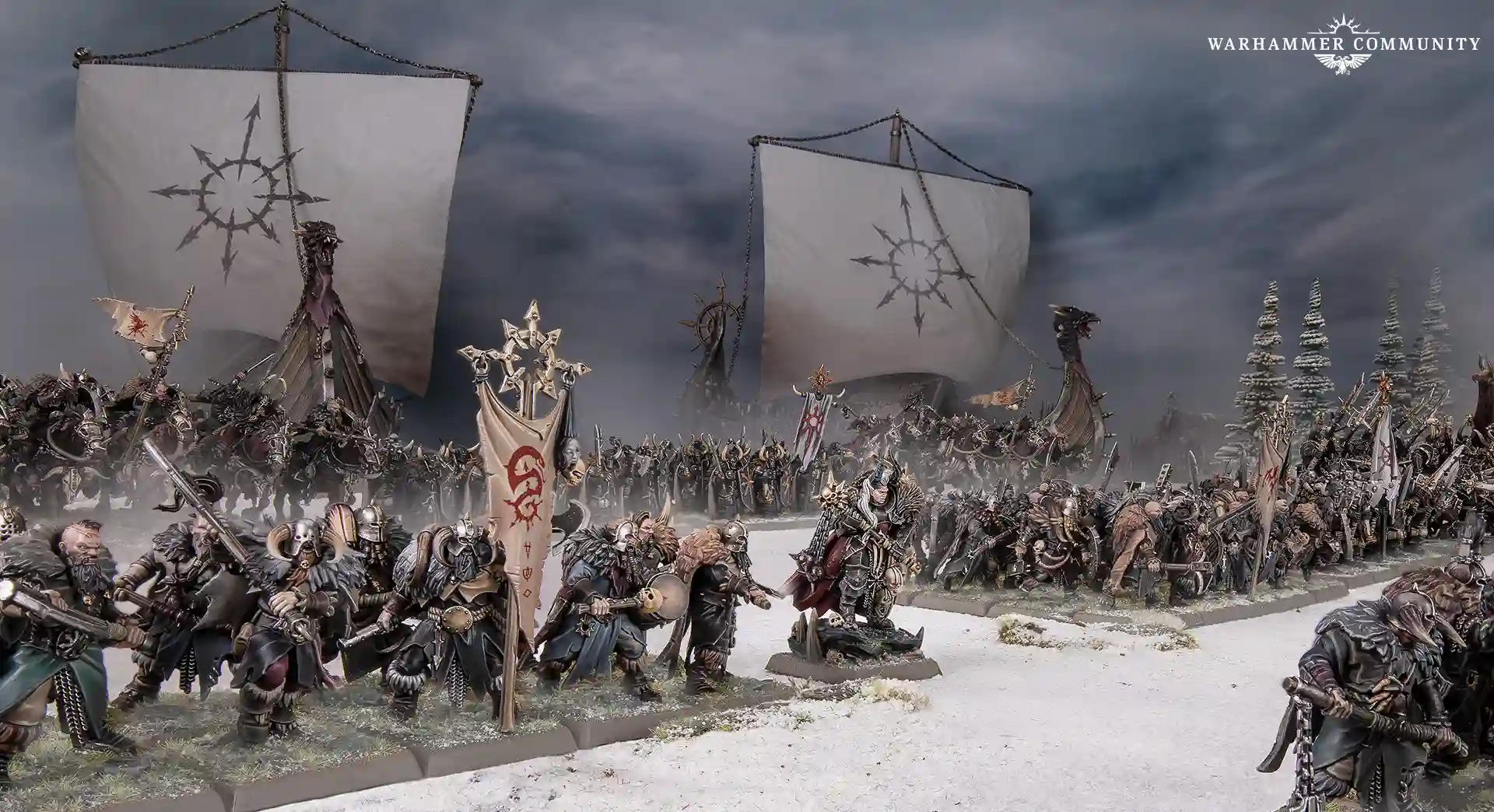
After its recent release, the new Warhammer: The Old World Core Set has become the best gateway into the game. It is designed specifically for two players and includes everything you need for your first games: an updated rulebook, gaming accessories, and two complete armies ready to assemble.
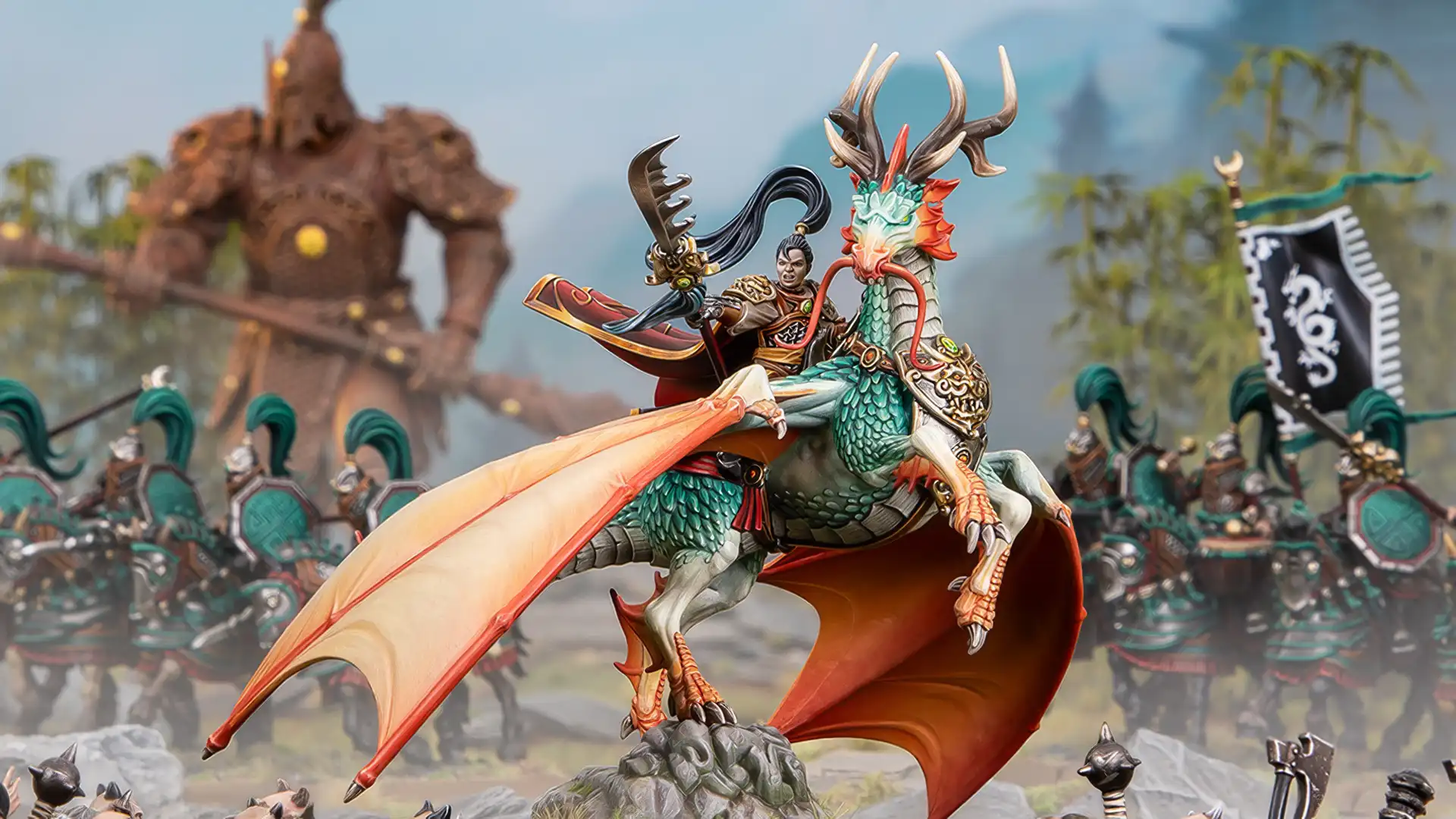
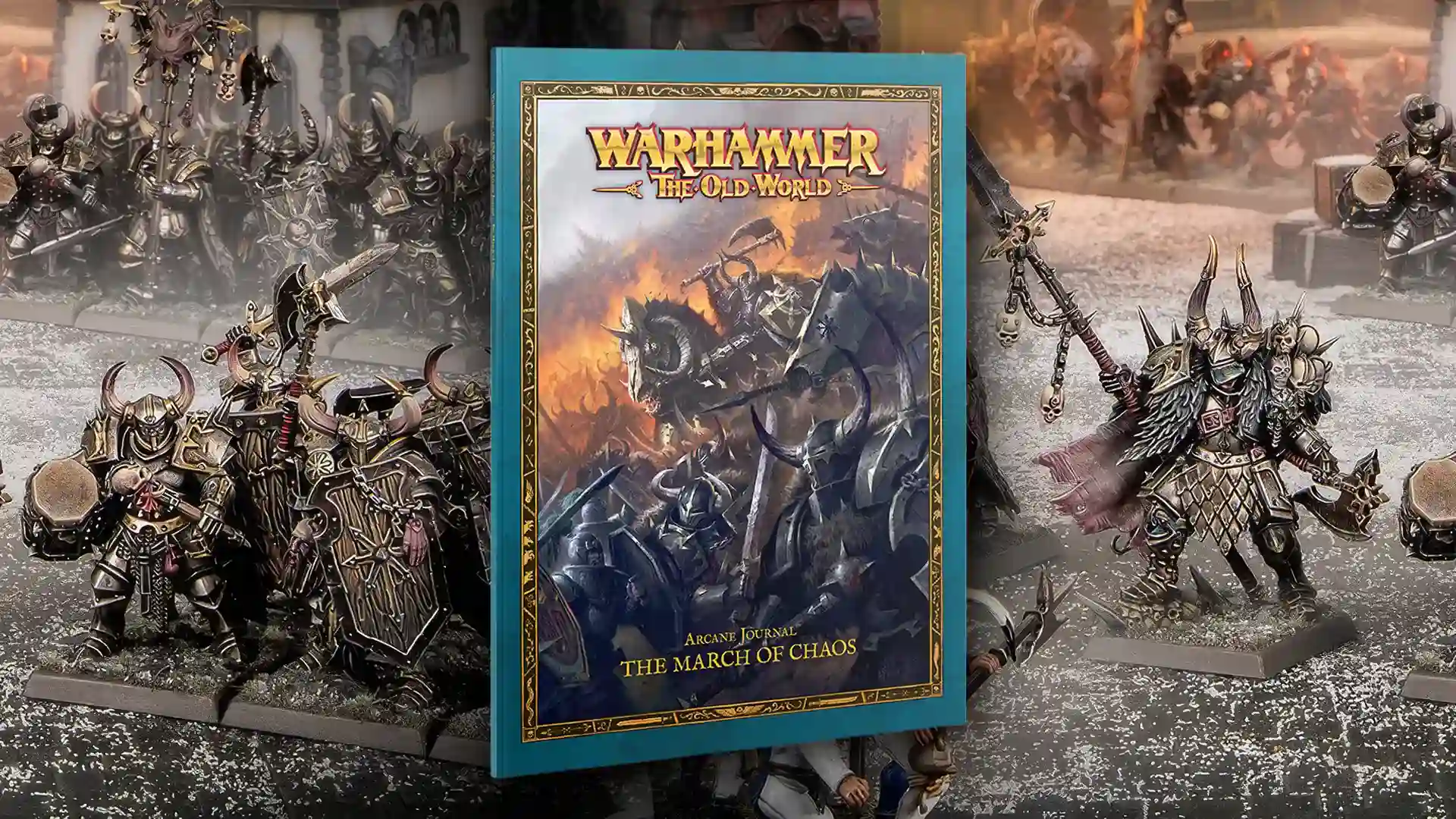
Inside you will find 54 miniatures, split between Warriors of Chaos and Grand Cathay. Two very different armies, ideal for learning distinct playstyles from the start.
The included rulebook already incorporates the latest updates and official FAQs, along with the content needed to play Battle March (a game mode for lower-point games).
If you plan to start with a friend, or simply want two forces so you can teach the game to other people, it is hard to find a more complete option with a better balance of content and price.
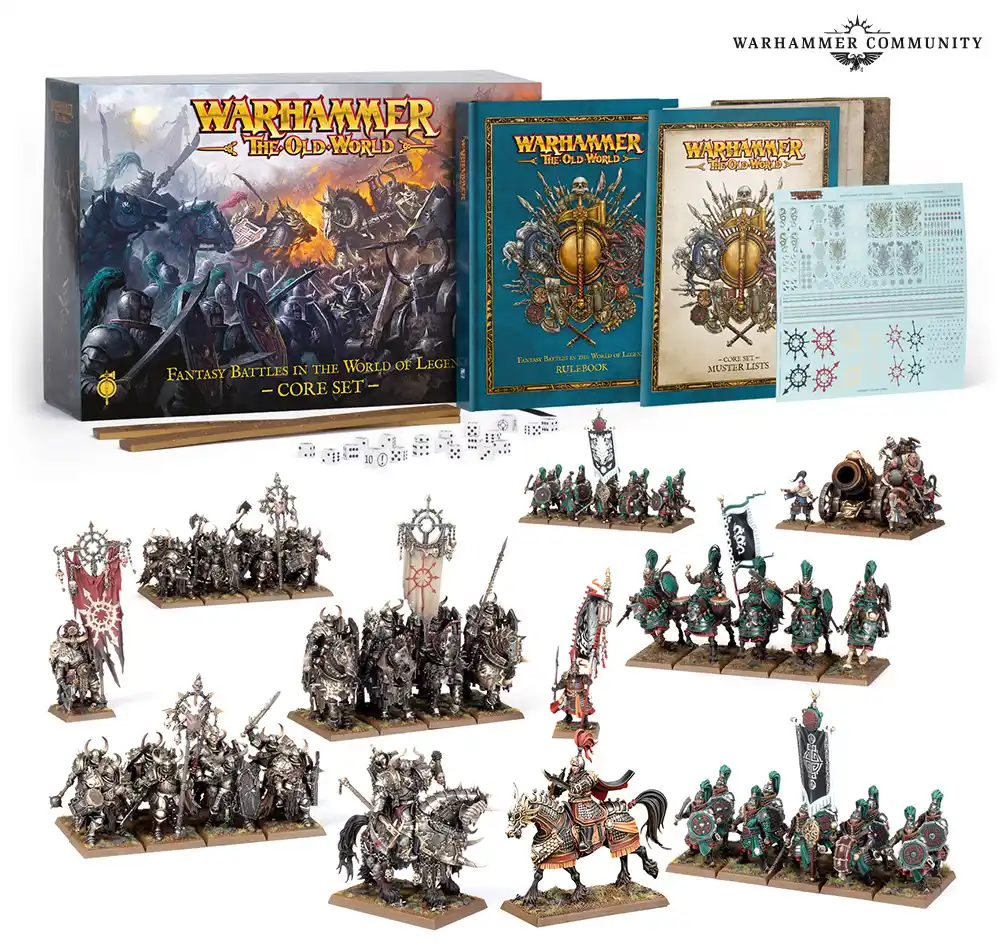
Battle March: the smart new way to start
One of the biggest changes for new players in 2026 is Battle March.
For a long time, a major barrier to entry for The Old World was the idea that you needed a full 2,000-point army. Battle March changes that.
This format is built for smaller games, with armies of roughly 400 to 750 points, keeping the tactical heart of the game while delivering faster battles. It is a perfect way to learn movement, charges, magic, and combat without facing a table packed with miniatures.
With expansions such as Battle March: General’s Companion, The Old World is leaning into these smaller-scale clashes, narrative campaigns, and games where compact forces take centre stage, expanding this way to enjoy the game with new rules, scenarios, and objectives.
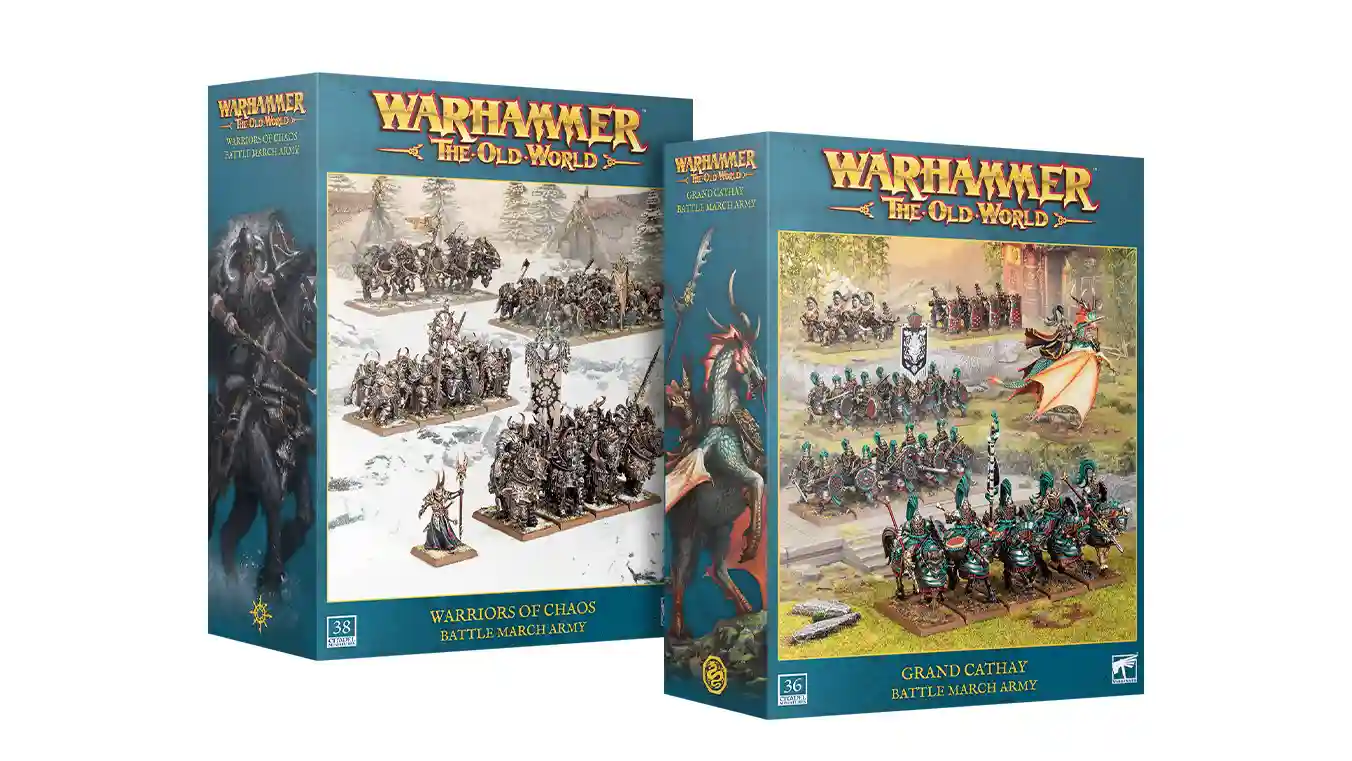
The new Battle March boxes
The Battle March boxes arrive specifically to solve one of the usual problems for new players: knowing what to buy.
Instead of picking up scattered units with no clear plan, or boxes packed with more models than you need, these sets offer compact forces designed to play small games straight away.
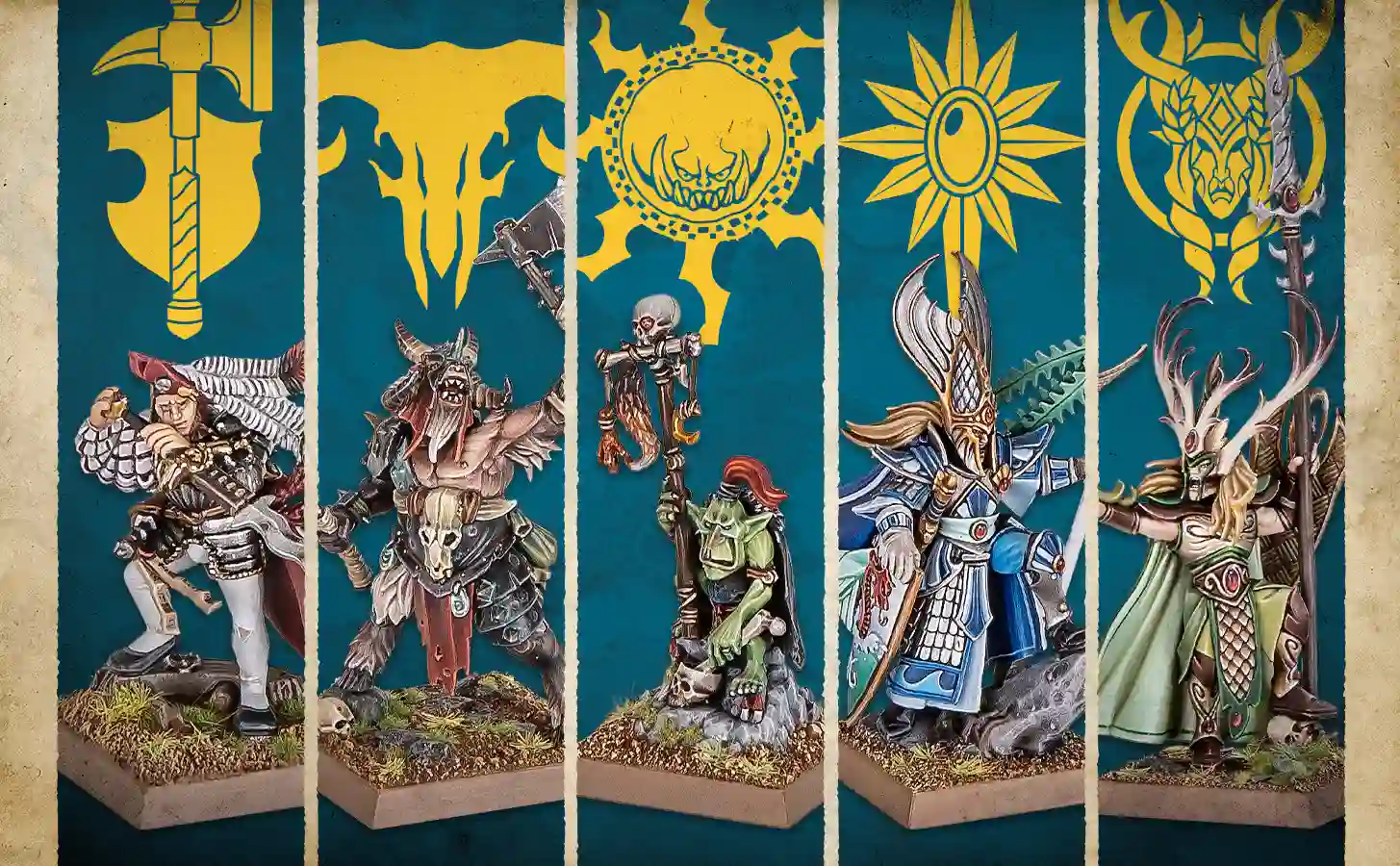
Among the announced forces you will find options such as:
- Orc and Goblin Tribes.
- High Elf Realms.
- Wood Elf Realms.
- Empire of Man.
- Beastmen Brayherds.
- Warriors of Chaos.
- Grand Cathay.
Each box brings an army with its own personality and a force you can play from the start without adding or removing anything. For someone starting from scratch, that is probably one of the best bits of news this year. You can assemble, paint, and play without feeling like you have an endless project ahead of you.
How to learn without burning out
The Old World has plenty of depth, but you do not need to master everything on day one.
Start with smaller games. As we have already said, Battle March is ideal for this, but you can also play 750- or 1,000-point games while you learn.
Your first games should focus on understanding the basics. We recommend learning in this order:
- Formations.
- Movement and wheeling.
- Range, line of sight, and measuring between models.
- Shooting.
- Charges and combat.
- Magic.
The wins will come later.
Painting your army: another part of the adventure
You do not need to be an expert to enjoy this side of the hobby. What matters is finding an approach that keeps you motivated and lets you make steady progress.
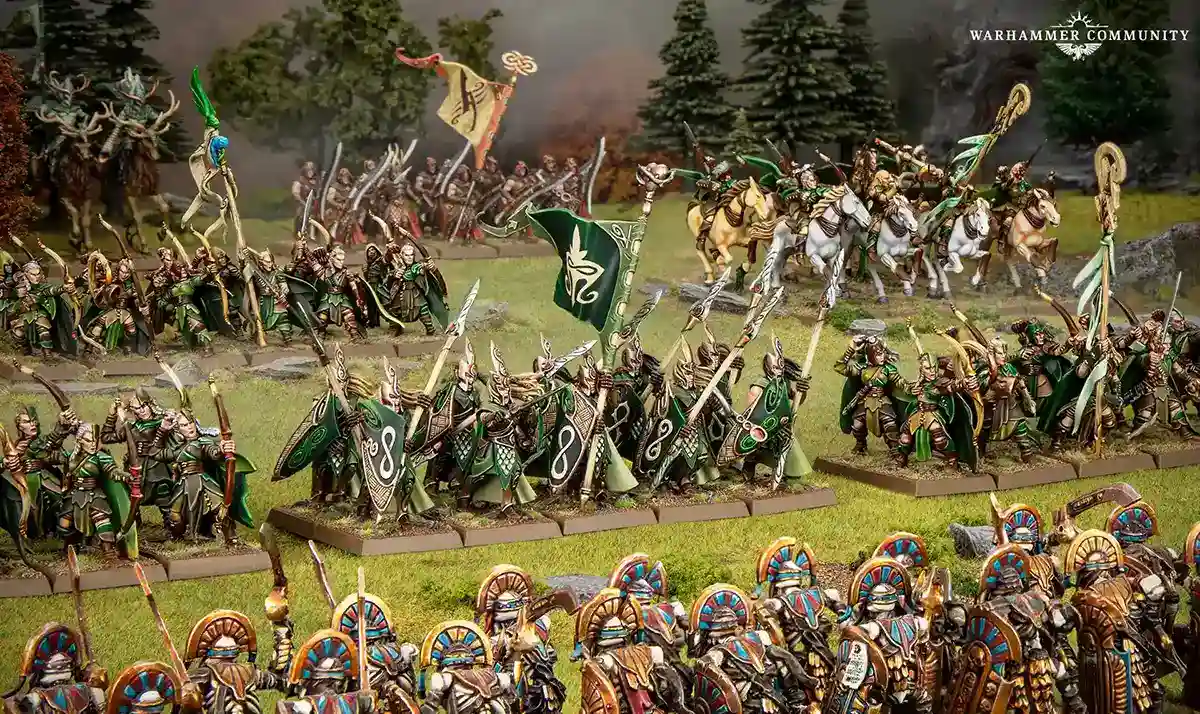
One simple option is to use the official colour schemes of the different sub-factions. Many factions have kingdoms, clans, or regions with their own visual identity, which lets you build a coherent army while tying your miniatures into the lore of the world. It is a strong choice if you want your force to look as if it stepped straight out of a battle in the Old World.
You can also create something entirely your own. Changing the colours, inventing a lost kingdom, a mercenary company, or a force with its own story can be one of the most rewarding parts of the hobby. In the end, the goal is not the “perfect” army, but one you are excited to take out of the cabinet and put on the table every game.
Finding a community: the most important part
A wargame is not the same when you play alone. Look for local shops, clubs, or groups.
The Old World community is still growing, and many veteran players are more than happy to teach new generals.
Online platforms and list-building tools also let you practise even when you cannot meet in person.
A first game with someone who knows how to teach can be worth more than reading a hundred pages of rules.
What next? How to keep expanding your army
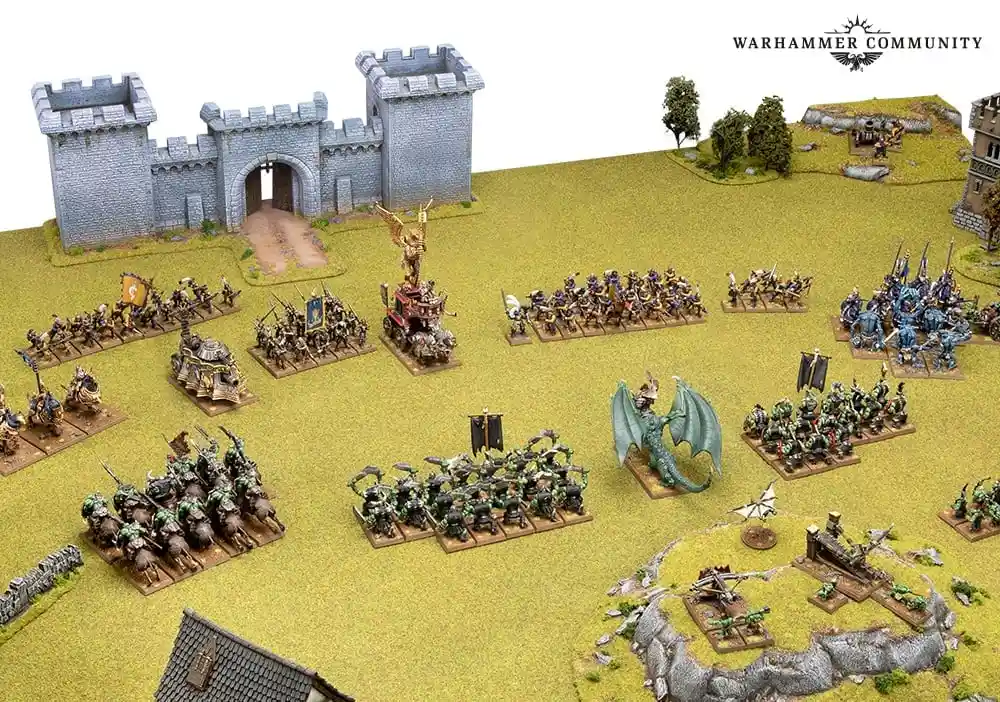
Once you have played your first games and understand how your army works, the most exciting part begins: growing it. The best way to expand a collection in The Old World is little by little, adding units that complement what you already have and open new options on the table.
Instead of buying piles of miniatures at once, think about what your army needs. Maybe a tougher unit to hold the centre of the line, a fast option to pressure the flanks, or a special piece that changes how your games play.
Then there is the undeniable visual pull: those incredible miniatures you simply want on your shelf, regardless of their points cost or rules.
Our take
The Old World in 2026 is in a particularly interesting place.
It is not a game designed for people who want fast games with no preparation, and that is exactly where its charm lies.
It is a system where painting a regiment means something, where a cavalry charge can decide a battle, and where every unit is part of a story.
The arrival of Battle March is probably one of the best decisions for bringing the game to new players. It lowers the initial barrier and lets you find out whether you actually enjoy the playstyle before investing in a huge army.
Our advice is simple: do not rush.
Choose an army you fall in love with, start small, and let your force grow with you. Because in The Old World, the road to the final battle is part of the adventure.